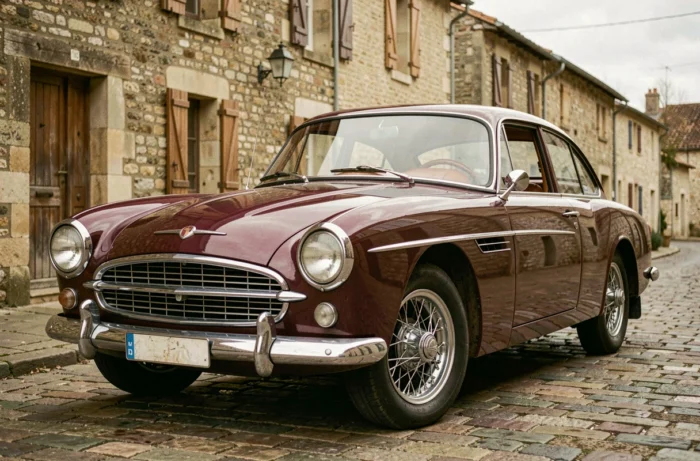
The classic car market is experiencing a period of regulatory tensions and pricing adjustments that are changing the conditions for accessing the collection. With the confirmed maintenance of low emission zones, the increase in FFVE certification fees, and a calendar of shows that continues to attract enthusiasts, the news about classic cars is reflected as much in legal texts as in the aisles of gatherings.
FFVE Certification and Classic Registration: A Cost That Changes the Game
The information circulated in forums before being confirmed by specialized sites: starting from October 1, 2026, the certificate issued by the French Federation of Vintage Vehicles for cars or motorcycles with a French registration will rise to 75 euros including tax when requested online. The previous fee was lower, and this increase is not symbolic for collectors managing multiple vehicles.
This price increase produces a predictable mechanical effect. Owners considering converting their vehicle to classic registration should submit their application before the deadline of September 30, 2026. After this deadline, each new request will cost more, which could slow down registrations in the classic category as early as autumn.
The fundamental question remains that of financing the FFVE and the sustainability of the classic registration system, which remains the main administrative shield against certain traffic restrictions. To keep up with the evolution of this issue and other hot topics, the news on classic cars at Les Voitures Anciennes helps to stay informed with the latest announcements.
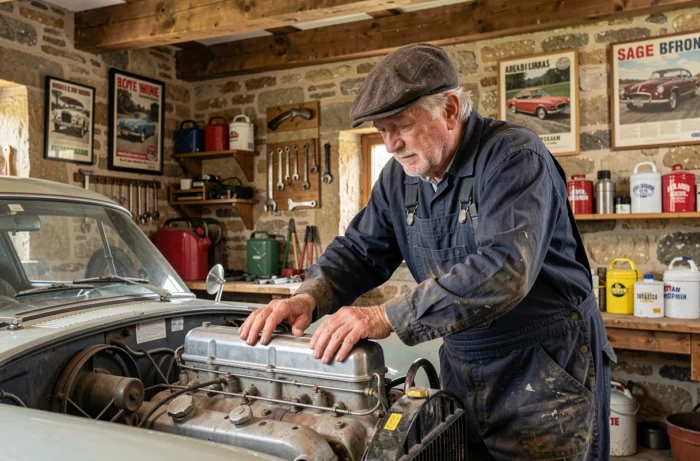
Low Emission Zones and Classic Vehicles: What the Law Really Says in 2026
The debate on low emission zones has generated lasting confusion. Several media outlets have reported the idea of abolishing low emission zones, voted by Parliament. The legal reality is different: the Constitutional Council has censored this abolition. Low emission zones therefore remain in effect in the affected urban areas, with a schedule of restrictions that is being applied gradually.
Vehicles classified as Crit’Air 3, 4, and 5 are the first to be affected. Specifically, this concerns the oldest diesels and some petrol vehicles registered before 2006. For a collector, the situation varies depending on the city and type of use.
- Vehicles with classic registration benefit, in most urban areas, from a permanent or temporary exemption, but the terms differ from one low emission zone to another.
- Classic cars registered with normal registration and classified as Crit’Air 4 or 5 are subject to fines in about forty French metropolitan areas.
- Occasional exemptions (gatherings, trips to a specialized garage) exist but often require prior application to the local authority.
The maintenance of low emission zones raises a structural question for the sector: driving a classic without classic registration is becoming a regulatory gamble. Field reports vary on the actual severity of controls depending on the cities, but the legal framework leaves no room for doubt.
Classic Registration or Normal Registration: A Choice That Is No Longer Trivial
Until recently, many owners kept their classic vehicle with normal registration to avoid the constraints of specific technical inspections for classic vehicles. The situation has changed. With low emission zone restrictions and the increase in the cost of the FFVE certificate, the calculation needs to be reconsidered on a case-by-case basis.
A vehicle with classic registration is exempt from the standard technical inspection (it undergoes a less stringent specific inspection) and benefits from low emission zone exemptions. However, it is theoretically limited to leisure use. For those who use their classic daily, normal registration remains possible but exposes them to increasing restrictions.
Shows and Gatherings: Rétromobile, Époqu’Auto, and the 2026-2027 Calendar
The event calendar continues to structure the life of the community. Rétromobile remains the major event at the beginning of the year for French and European collectors, and each edition highlights themes related to anniversaries of brands or iconic models.
In Lyon, Époqu’Auto maintains its positioning as a generalist show focused on collection and restoration. The available data does not yet allow for measuring whether the rise in administrative costs is hindering the participation of individual exhibitors, but the question arises.
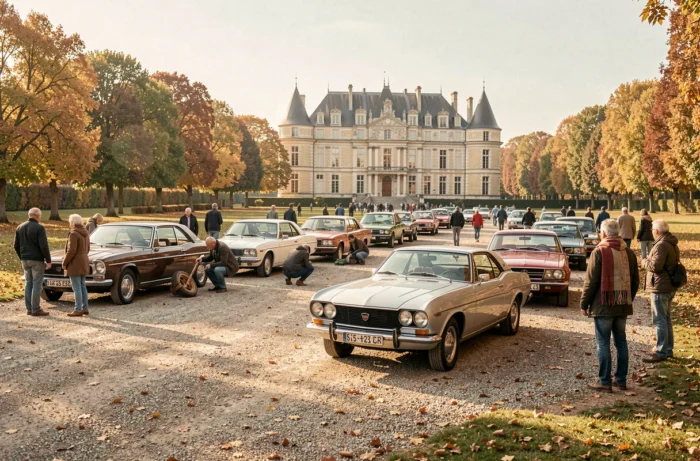
Regional Gatherings: A Barometer of Retro Passion
Beyond the major shows, local gatherings remain the true pulse of the hobby. These regional events play a role that national shows do not fulfill: they allow owners to drive, showcase their vehicles in context, and maintain a social fabric around vintage mechanics.
Their vitality is a more reliable indicator than just attendance figures from major shows. The base of enthusiasts remains active despite the constraints, and these local meet-ups continue to attract a loyal audience.
Auction Market and Valuation Trends: What Recent Sales Reveal
The high-end segment of the market (rare cars, documented history, concours condition) continues to progress, driven by international demand. Major auction weeks confirm that exceptional models find buyers at high levels.
The mid-range segment, that of youngtimers and popular models from the 1980s-1990s, is experiencing a different dynamic. Reliable small sports youngtimers are attracting a new generation of collectors, sensitive to the balance between driving pleasure and maintenance costs. The Peugeot 205 GTI remains one of the most sought-after models in this segment.
The news about classic cars in 2026 can be summed up in a concrete paradox: the enthusiasm for collecting does not wane, but the conditions for access are tightening, both through administrative costs and urban regulations. Enthusiasts who anticipate these developments by regularizing their registrations and following the regulatory calendar are positioning themselves in the best conditions to continue driving.