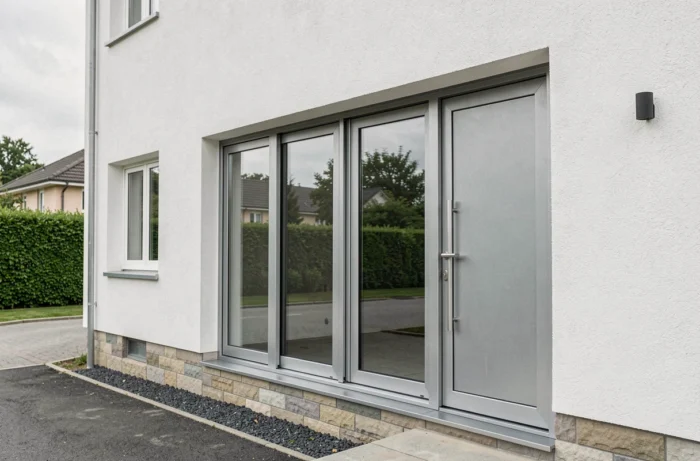
You spotted a metallic gray in an aluminum joinery catalog, and the indicated code is RAL 9006. This shade, named “white aluminum” in the RAL Classic color chart, is one of the most common references for aluminum windows, sliding doors, and gates. Before finalizing this choice, several technical and regulatory parameters deserve your attention.
Finish and gloss of RAL 9006: what makes a difference on a façade
RAL 9006 is not an ordinary gray. It is a metallic color with an aluminum effect, which sets it apart from other shades in the RAL Classic color chart. The metallic particles present in the coating give it a slightly shimmering appearance, varying depending on the angle of light and the type of finish chosen.
In practice, the same RAL 9006 code can produce a very different rendering depending on whether it is applied in gloss, satin, or matte. On a screen or a paper color chart, this color appears as a neutral medium gray. In reality, on a powder-coated aluminum profile, the metallic effect creates a reflection that digital displays do not faithfully reproduce.
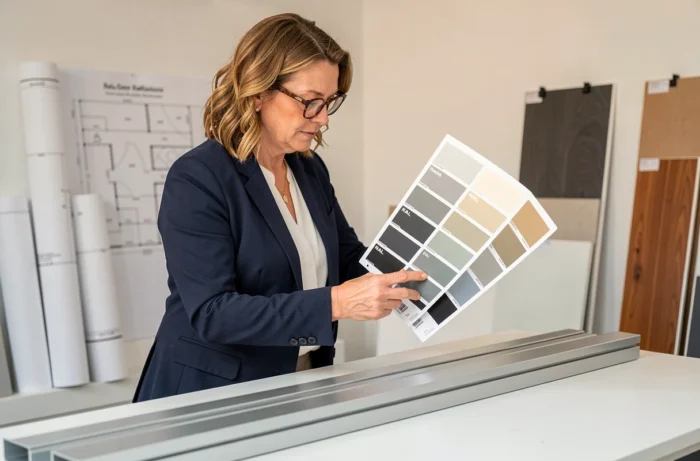
Before ordering, always request a physical sample from the carpenter. Digital previews of RAL 9006 are notoriously inaccurate, precisely because the metallic effect does not reproduce on screen. This peculiarity is shared with RAL 9007 (gray aluminum), which differs from 9006 by having a darker and warmer tone.
To delve into the specifics of this shade applied to aluminum profiles, the RAL 9006 color chart for aluminum joinery details the points to check before any purchase.
RAL 9006 and local regulations: check before ordering
Do you live in a protected area, near a historical monument, or in a condominium with façade regulations? The choice of RAL 9006 then depends not only on your preferences.
The Architects of Buildings of France (ABF) and the Local Urban Planning Plans (PLU) strictly regulate the shades allowed on façades. Their opinion concerns both the color code and the level of gloss. A metallic gray deemed too shiny or too “industrial” may be rejected in a protected area, even if it is a standard RAL.
The same RAL 9006 shade may be accepted in matte and rejected in gloss. This is a common trap. The carpenter proposes a color, the client approves, and the rejection occurs at the time of the preliminary declaration of works.
- Consult your municipality’s PLU to know the shades allowed on exterior joinery, often listed in a local color chart.
- In ABF areas, submit a physical sample (not a screenshot) with your request, specifying the level of gloss: matte, satin, or gloss.
- In a condominium, check the internal regulations and the decisions of the general assembly regarding façade colors before placing any order.
Anticipating these steps avoids additional delays and the extra cost of changing the color during production.
Powder coating and Qualicoat label: the durability of RAL 9006 on façades
On aluminum joinery, the color is not a conventional paint. The profile undergoes a treatment by powder coating, a process where a polyester resin powder is applied and then cured in an oven. This treatment gives the coating high resistance to UV rays, weather conditions, and superficial scratches.
Why does this detail matter for RAL 9006 in particular? Because the metallic effect makes any alteration more visible than an opaque shade. A micro-scratch or the beginning of chalking (powdery appearance on the surface) is more noticeable on a metallic particle finish than on a classic solid gray.
The Qualicoat label certifies the quality of the powder coating. It guarantees that the surface treatment meets European standards for durability. A Qualicoat certified powder coating generally lasts more than a decade on façades without significant alteration of the color. Request this certification from your manufacturer, especially for joinery exposed to full sun or by the sea.
Regular maintenance of RAL 9006 on aluminum
Maintenance remains simple: a cleaning with soapy water once or twice a year is sufficient to maintain the shine of the coating. Avoid abrasive products or solvents, which can damage the lacquer layer and accelerate chalking.
RAL 9006 or RAL 9007: how to choose between the two aluminum grays
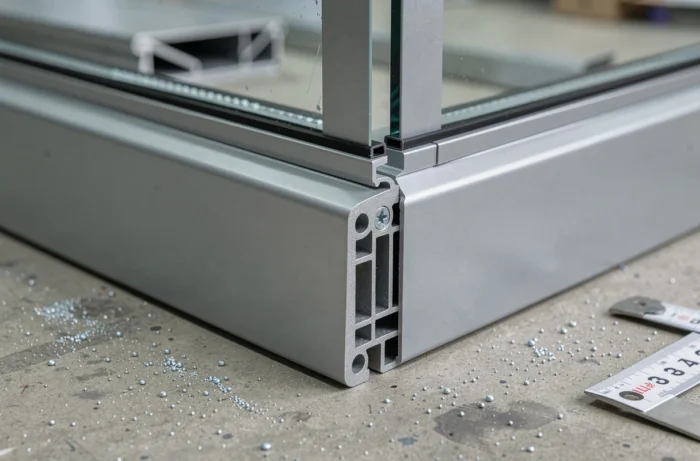
These two shades are the only metallic colors in the RAL Classic color chart. On a screen, they appear almost identical. In reality, the difference is clear on a profile.
RAL 9006 leans towards a bright light gray, with a silver reflection. RAL 9007, on the other hand, is darker and warmer, with an appearance reminiscent of aged raw aluminum. On a light façade (white render or limestone), 9006 integrates discreetly. On a contemporary building with dark tones, 9007 provides more contrast.
- RAL 9006: light metallic gray, silver reflection, suitable for light façades and classic or modern styles.
- RAL 9007: medium metallic gray, warmer tone, often preferred for industrial architectures or dark façades.
- Both shades are subject to the same constraints of rendering on screen: only a physical sample can make the decision.
If your condominium or your ABF imposes an “aluminum gray” without specifying the code, request a written clarification. The confusion between 9006 and 9007 is common, and a poor choice is immediately visible once the joinery is installed.
RAL 9006 remains a relevant choice for durable and discreet aluminum joinery. Always validate the finish on a physical sample and check regulatory compliance before placing an order. These two checks take little time and prevent unpleasant surprises during installation.